What a Strong 'About' Page Can Do for Your Business and How to Write One That Converts
Here is something that might surprise you.
The About page is one of the most visited pages on any small business website.
When someone lands on your website and is genuinely considering hiring you, the About page is often the very next place they click.
They want to know who they are dealing with.
They want to get a feel for the person behind the business before they hand over their money or invite someone into their home.
And yet for most trade and service businesses, the About page is either completely missing, painfully generic, or reads like a resume nobody asked for.
A strong About page is not just a nice addition to your website.
It is one of the most powerful trust building and conversion tools your entire online presence has. Here is how to write one that actually works.
The Biggest Mistake Most Tradies Make on Their About Page
The most common About page mistake is writing entirely about the business instead of writing for the customer.
It sounds counterintuitive. It's an About page. Shouldn't it be about you?
Yes and no.
Your story and your background absolutely belong there.
But the most effective About pages frame everything through the lens of what it means for the customer.
Why does your experience matter to them? How does your approach benefit them? What does working with you actually feel like?
A page that reads like a list of qualifications and years in the industry tells the customer very little about what it is like to actually hire you.
A page that shares your story, your values, and your genuine commitment to your customers tells them everything they need to feel confident.
Write your About page for the person reading it, not for yourself.
Start With a Hook That Pulls Them In
Just like a great social media caption, your About page needs to open with something that makes the reader want to keep going.
Most About pages open with something like "We are a family owned plumbing business with over 15 years of experience serving the greater Melbourne area." It is accurate. It is also immediately forgettable.
Instead, open with something that speaks directly to your customer's experience or your own genuine story.
A landscaper might open with "I started this business because I genuinely believe a great outdoor space changes the way a family lives at home."
A plumber might begin with "After years of hearing from customers who had been let down by tradies who didn't show up or didn't finish the job properly, I built my business around doing the exact opposite."
These openings create immediate interest and emotional connection.
They tell the reader something real before the page has even properly begun.
Share Your Story With Honesty and Personality
People connect with people, not with businesses.
Your About page is the one place on your website where you get to be genuinely human and let the person behind the brand come through.
Share why you started your business.
What motivated you to go out on your own? What frustrations did you see in your industry that you wanted to do differently? What do you love about the work you do and the customers you serve?
You don't need to share your entire life story.
A few honest paragraphs that give a real sense of who you are and what drives you is enough to create genuine connection with the right customer.
Personality matters here more than professionalism.
A slightly informal, warm, and genuine tone will almost always outperform stiff corporate language on an About page.
Write like you would speak to a customer face to face and you will be on the right track.

Talk About Your Values and How You Work
Beyond your story, your About page is a great place to communicate what you stand for and how you approach your work.
What do you genuinely care about when it comes to the jobs you take on?
Reliability? Exceptional attention to detail? Leaving every property cleaner than you found it? Communicating clearly so customers always know what is happening?
These are not just nice words.
For customers who share those values, reading them on your About page creates an immediate sense of alignment.
It makes them feel like they have found the right business before they have even seen your pricing.
Be specific rather than generic. "We care about quality" means very little. "We never leave a job until we are completely happy with the result and confident the customer is too" means a great deal more.
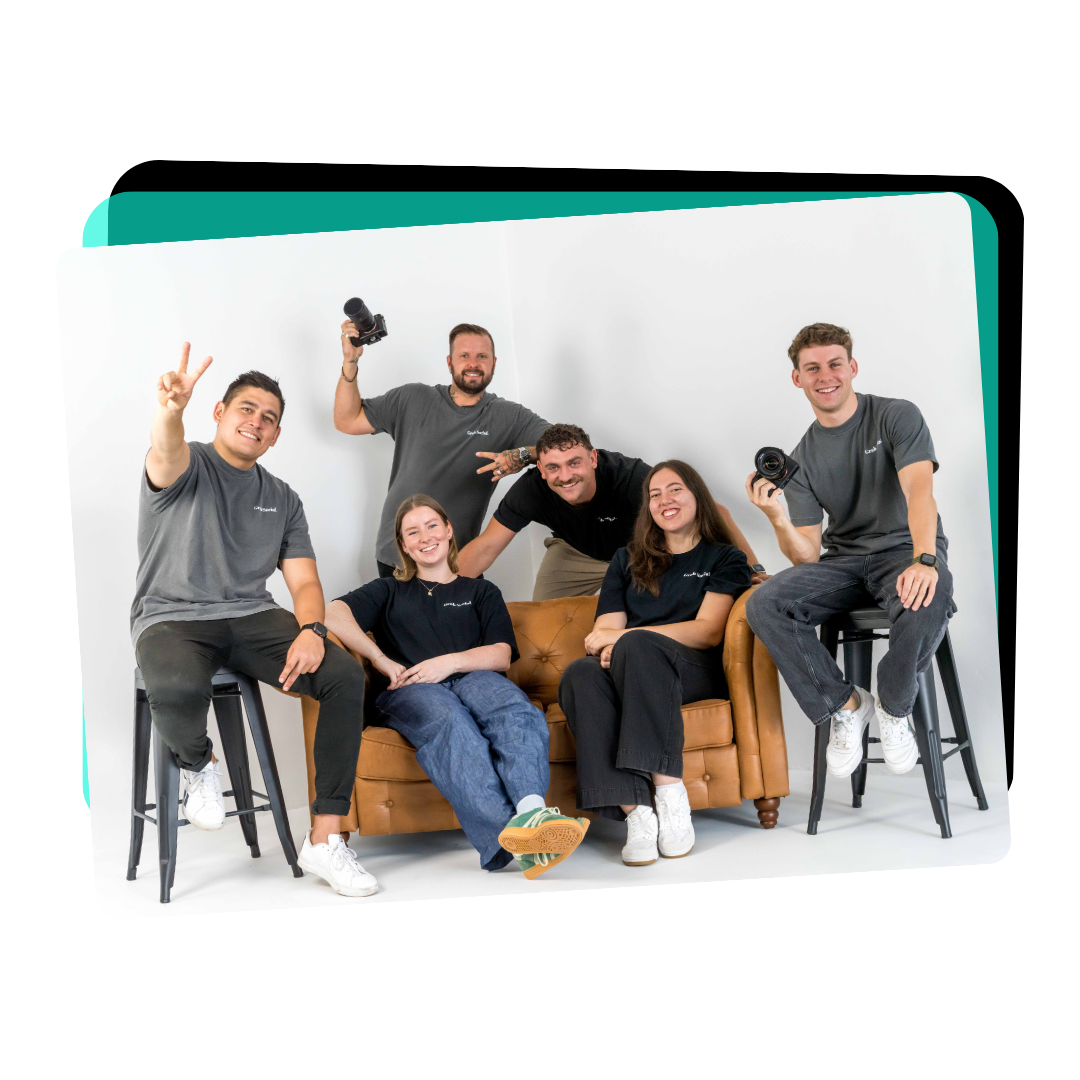
Include a Photo of Yourself and Your Team
This is non negotiable for a genuinely effective About page.
A real photo of you, and your team if you have one, transforms your About page from a block of text into a human connection.
It puts a face to the name and immediately makes your business feel more real, more approachable, and more trustworthy.
The photo doesn't need to be a professional headshot taken in a studio.
A clear, friendly photo of you on a job site, in your uniform, or with your team is completely appropriate and often more relatable than a formal portrait.
Avoid using stock photos of generic tradespeople on your About page.
Customers can tell instantly and it creates exactly the opposite of the trust you are trying to build.
Add Social Proof to Back Up What You Say
Your About page is a great place to weave in a short customer testimonial or two alongside your own story.
When a potential customer reads something genuine and positive from a past client right there on your About page, it reinforces everything you have just told them about yourself.
It adds an independent voice to the conversation and takes your credibility up another level.
Keep the testimonials short and specific.
A sentence or two that speaks to a particular quality you have highlighted in your story works far better than a long general review.
You might also mention notable achievements, relevant certifications, how long you have been in business, or the number of customers you have served if those numbers are meaningful.
These details add credibility without turning your About page into a resume.
End With a Clear Call to Action
A strong About page does not just inform the reader. It moves them towards taking the next step.
After someone has read your story, connected with your values, and decided they like what they see, they need a clear and easy path forward.
Do not make them hunt for your contact details or figure out on their own what to do next.
End your About page with a warm and simple call to action. Invite them to get in touch, request a quote, or give you a call.
Make the next step feel easy, natural, and low pressure.
Something like "if you like what you have read and think we might be a good fit, we would love to hear from you" is warm, genuine, and far more inviting than a generic "contact us today for a free quote."
Final Thoughts
Your About page is not an afterthought.
It is one of the hardest working pages on your entire website and most trade businesses are leaving an enormous amount of trust and conversion potential on the table by getting it wrong.
Be human. Be honest. Be specific.
Tell your story in a way that makes the right customer feel like they have finally found exactly who they were looking for.
A great About page does not just describe your business. It makes someone genuinely want to work with you.
If you want practical marketing tips like this delivered straight to your inbox every week, join the free Grab Social newsletter.
Real advice for Australian service businesses, no fluff included.
You can join here
www.grab-social.com/newsletter
Happy marketing, Lianna